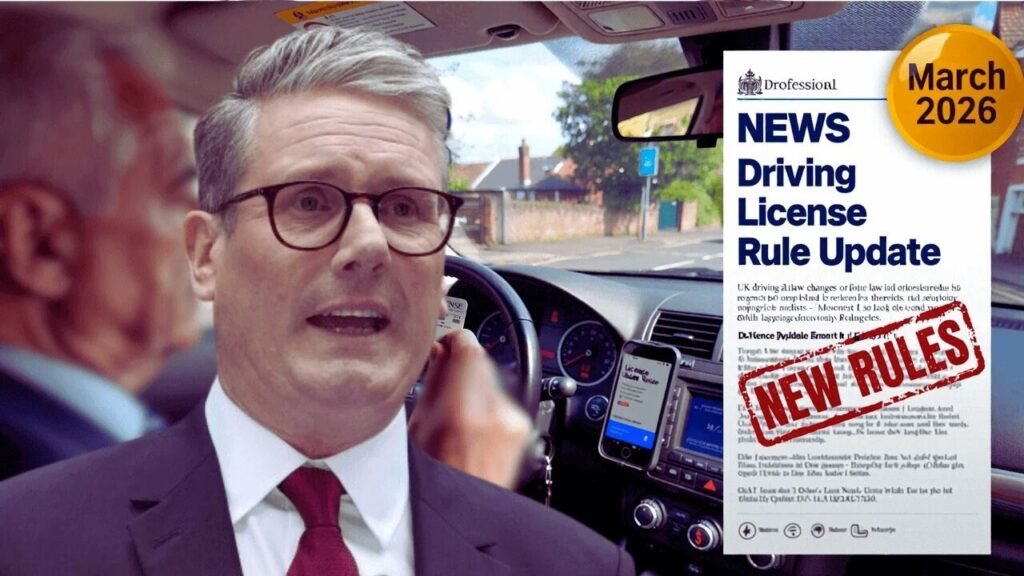
The UK government and DVLA have confirmed new rules affecting driving licences for older drivers, with key changes starting in March 2026. These updates focus on road safety for those over 65, particularly around licence renewal and health checks as people age.
While no strict upper age limit exists for driving in the UK, drivers must meet ongoing fitness standards. From March 2026, enhanced measures kick in for seniors, especially those nearing or past 70, to help ensure everyone stays safe on the roads.
This comes amid consultations on improving safety for an ageing population, where older drivers make up a notable share of licence holders but are involved in a higher proportion of serious incidents.
What are the current rules for drivers over 65?
Drivers aged 65 to 69 follow the standard 10-year photocard renewal cycle, just like younger adults. You renew online or by post for £14 (free in some cases), updating your photo and details.
- At age 70, your licence entitlement expires automatically, and you must renew every 3 years thereafter.
- Renewal involves a self-declaration of fitness to drive, including confirming you meet eyesight standards (reading a number plate from 20 metres) and declaring any notifiable medical conditions.
No mandatory tests are required yet – it’s based on honest self-assessment, with DVLA reminders sent out ahead of time.
What changes start in March 2026 for over-65s?
From March 2026, the focus shifts toward stricter safety checks for older motorists, building on ongoing government consultations. While full mandatory eyesight tests for renewal aren’t yet enforced (consultations continue), drivers over 65 – and especially those 70+ – face clearer guidance and potential shifts away from pure self-declaration.
Key points include:
- Renewals at 70 and every 3 years remain free and straightforward (online preferred for quick processing within a week).
- Greater emphasis on declaring medical conditions or vision issues promptly – failing to do so can lead to fines up to £1,000 or licence revocation.
- Preparations for possible future mandatory eyesight proof during renewals, as discussed in DfT consultations to replace self-declaration for those 70+.
- Many sources highlight that changes target 70+ drivers renewing in or after March 2026, with better digital tools and reminders.
- Over-65s should get regular eye checks (every 2 years recommended) to stay compliant and safe.
These aren’t about banning older drivers but ensuring fitness matches ability as health can change over time.
Who do these rules affect most?
Primarily drivers turning 70 or renewing at/after that age from March 2026 onward. Those 65-69 see less direct impact but benefit from awareness of upcoming stricter standards.
- If you have conditions like diabetes, epilepsy, or vision problems, notify DVLA immediately – rules apply regardless of age.
- Pensioners relying on driving for independence should plan renewals early to avoid lapses.
What should older drivers do now?
Check your licence expiry date via GOV.UK’s View Driving Licence service. Renew online at 70+ for free at www.gov.uk/renew-driving-licence-at-70.
- Book an eye test if due – it’s quick and ensures you meet the 20-metre number plate rule.
- Declare any health changes without delay to avoid penalties.
- Consider voluntary mature driver assessments for confidence and tips.
Stay updated via official DVLA or GOV.UK channels, as consultations may lead to further tweaks.
The new UK driving licence rules starting March 2026 for over-65s prioritize safety through better renewal processes, health declarations, and potential eyesight checks for those 70+. While no major tests are mandatory yet, these updates encourage proactive steps to keep driving safely and legally. Many seniors continue driving well into later years with proper checks – preparation now prevents issues later. Always refer to GOV.UK or DVLA for your personal situation.