The UK government has rolled out significant reforms to disability benefits as part of efforts to focus support on those with the greatest needs while managing rising welfare costs. Central to the changes is an overhaul of Personal Independence Payment (PIP), including a new eligibility threshold for the daily living component and protections for around 700,000 claimants. These updates, stemming from the Pathways to Work Green Paper and related legislation, aim to make the system more targeted and sustainable while safeguarding vulnerable groups.
Core Change to PIP Eligibility
The most notable reform introduces an additional requirement for the daily living component of PIP. Claimants must now score at least 4 points in at least one single daily living activity, alongside the existing total of 8 points across all activities to qualify. This shift prioritizes individuals with more severe difficulties in specific areas, such as needing significant help or being unable to complete a task at all.
People who previously qualified through smaller points spread across multiple activities may no longer meet the criteria for the daily living element. The change applies to new claims from November 2026 onward, with existing claimants affected only at their next award review. Estimates suggest this could impact hundreds of thousands in the long term, though the government maintains PIP remains a vital non-means-tested support.
Exemptions for 700,000 Claimants
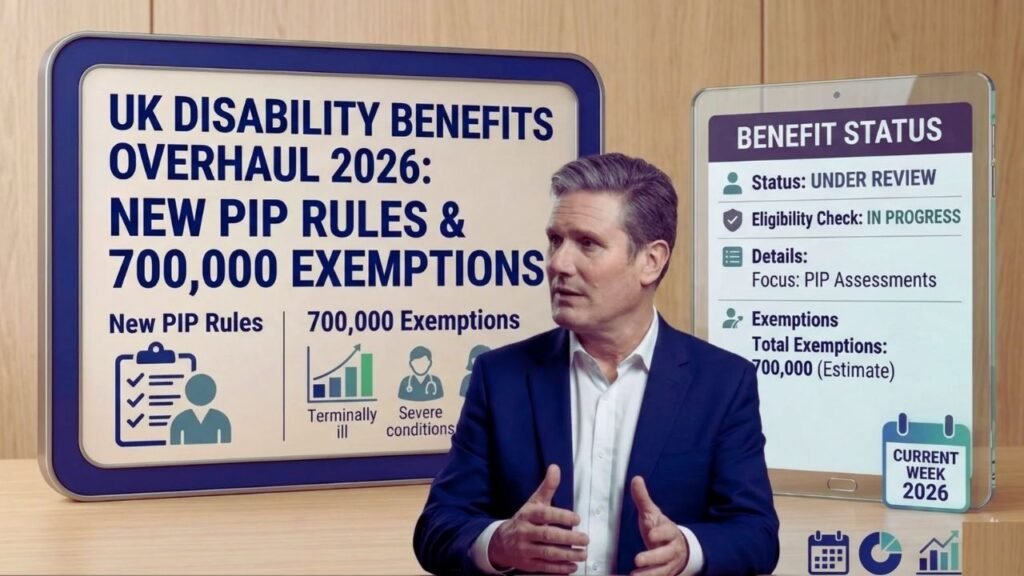
A key protective measure exempts approximately 700,000 existing PIP recipients from routine reassessments. This group primarily includes those with severe, lifelong, or terminal conditions, as well as many over State Pension age, where improvement is unlikely.
The exemption reduces stress from frequent reviews and frees up assessment resources for new or changing cases. It reflects a move away from the previous approach of regular checks for stable conditions, providing greater stability for those with unchanging needs.
Implementation Timeline and Scope
The new 4-point rule begins for new claims in November 2026, with transitional arrangements for current recipients. Related changes to assessments and reviews, including longer intervals between checks for many claimants (often three to five years), start rolling out from April 2026 in some areas.
These reforms form part of broader welfare adjustments, including Universal Credit modifications, but PIP remains separate and non-means-tested. The government stresses that the changes target resources more effectively amid growing caseloads.
What This Means for Claimants
Existing PIP recipients in the protected group can expect continued payments without routine interruptions, offering peace of mind. New applicants after the implementation date face the stricter threshold, potentially requiring more evidence of concentrated need in one activity.
Advocacy groups have raised concerns about impacts on those with multiple lower-level needs, while the DWP highlights safeguards and the focus on higher-severity cases.
A Step Toward Targeted Support
The 2026 disability benefits overhaul, particularly the PIP reforms and 700,000 exemptions, represents a major recalibration of the system. By protecting those with the most severe conditions and tightening eligibility for others, the changes seek to balance compassion with fiscal responsibility.
Claimants should monitor DWP communications for personal impacts, especially around review dates or new applications, as these updates reshape support for millions.
FAQs
What is the new PIP daily living rule for 2026?
Claimants must score at least 4 points in one single daily living activity (plus the total 8 points) to qualify for the daily living component, starting for new claims from November 2026.
Who qualifies for the 700,000 exemptions?
Primarily those with severe, lifelong, terminal, or advanced neurological conditions, plus many over State Pension age, who are exempt from routine reassessments.
When do the main PIP changes take effect?
The new eligibility requirement applies to new claims from November 2026, while some assessment and review changes begin from April 2026.
Will current PIP claimants lose benefits immediately?
No—existing claimants are not affected by the new rule until their next award review, and many in the 700,000 group avoid routine reassessments entirely.
Are these changes part of a larger benefits reform?
Yes, they tie into the Pathways to Work Green Paper and related legislation, which also adjust Universal Credit elements but keep PIP as a separate, non-means-tested benefit.